1. Concerns About the Current Political Direction of the Republic of Korea
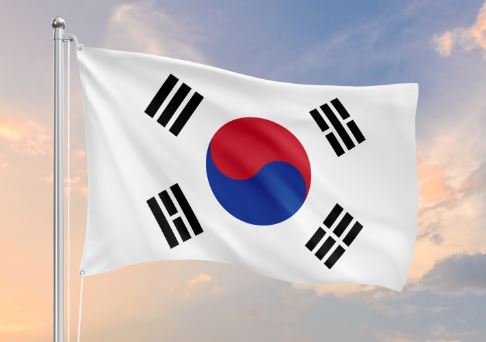
Many of us have long admired the Republic of Korea as a vibrant liberal democracy that achieved remarkable economic growth and earned a reputation as a free, open, and hopeful society. For decades, that image felt well-deserved. In recent years, however, some citizens have grown increasingly worried that the country is moving away from those foundational values.As of November 2025, President Lee Jae-myung is leading the nation. His presidency followed a deeply polarizing period in Korean politics. Mr. Lee has faced numerous legal challenges—more than twenty separate allegations—and several lower-court rulings have gone against him (though higher courts and presidential immunity have delayed final resolution). For some Koreans, the circumstances surrounding his election raised serious questions about fairness and transparency.Opinions about President Lee Jae-myung remain sharply divided. Critics often describe him as pragmatic to a fault—someone who can be deferential toward more powerful figures while taking a very firm line with those who lack leverage. To his detractors, this pattern feels inconsistent with the leadership style they hope for in a democratic president.Many observers who are uneasy about the current trajectory believe that policies introduced since mid-2025 reflect a gradual shift toward greater state control and a more left-leaning ideological framework. They point to expanded social programs, stronger regulation of speech (especially online “fake news” provisions), and a perceived consolidation of influence over media, law enforcement, and judicial appointments as evidence of this trend. While supporters see these measures as necessary reforms or protections, others fear they are quietly eroding classic liberal-democratic norms.Two incidents in particular have deepened these concerns for some citizens:
For those who hold this viewpoint, today’s Korea sometimes feels as though key institutions no longer reflect the balanced, pluralistic system they once did. In their eyes, the country that proudly called itself a “free democratic republic” now appears, at least in spirit, to be drifting toward a more centralized, ideologically uniform model—closer in practice to what they sadly joke might one day be called a “People’s Republic” than to the liberal democracy they grew up cherishing.These are, of course, strongly held opinions rather than universal truths, and millions of Koreans wholeheartedly support the current leadership and its direction. Yet for a significant portion of the population, the changes of the past year have been a source of genuine unease about the future of freedom and democracy in the Republic of Korea.
11/27/2025 4:49 PM
Contributor : Sharon Liu Fau
sharonliufau@gmail.com