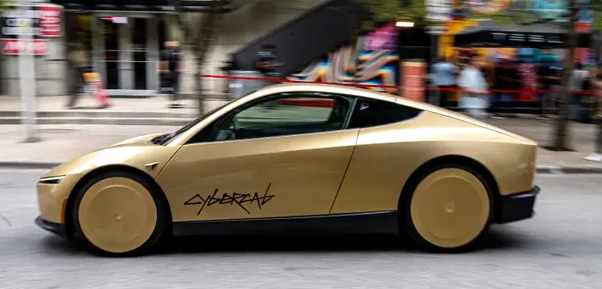
English: Just hours after Tesla began commercial paid rides of its steering-wheel-free, pedal-free Cybercab in Austin on September 3, the National Highway Traffic Safety Administration (NHTSA) opened an "Audit Query" (AQ26002) covering roughly 1,000 Cybercab vehicles. The audit examines whether Tesla properly self-certified the vehicle as compliant with Federal Motor Vehicle Safety Standards (FMVSS) — many of which assume a human driver with a steering wheel, brake pedal, and mirrors. Tesla determined some of those standards don't apply to a car with no human controls; NHTSA wants to review the technical basis for that decision. Analysts note the case echoes a similar audit into Amazon's Zoox in 2022, which delayed that company's commercial launch by roughly four years.
한글: 테슬라가 9월 3일 오스틴에서 스티어링 휠과 페달이 없는 사이버캡의 유료 상업 운행을 시작한 지 불과 몇 시간 만에, 미국 고속도로교통안전국(NHTSA)이 약 1,000대의 사이버캡 차량을 대상으로 '감사 질의(Audit Query, AQ26002)'를 개시했습니다. 이번 감사는 테슬라가 연방자동차안전기준(FMVSS)—대부분 인간 운전자와 스티어링 휠, 브레이크 페달, 거울의 존재를 전제로 함—을 준수한다고 스스로 인증한 근거가 타당한지를 살펴봅니다. 테슬라는 인간 조작 장치가 없는 차량에는 일부 기준이 적용되지 않는다고 판단했으나, NHTSA는 이 판단의 기술적 근거를 검토하려 합니다. 전문가들은 이번 사례가 2022년 아마존의 '주크스(Zoox)'에 대한 유사 감사와 비슷하며, 당시 감사로 인해 상업 서비스 출시가 약 4년 지연됐던 점을 지적하고 있습니다.