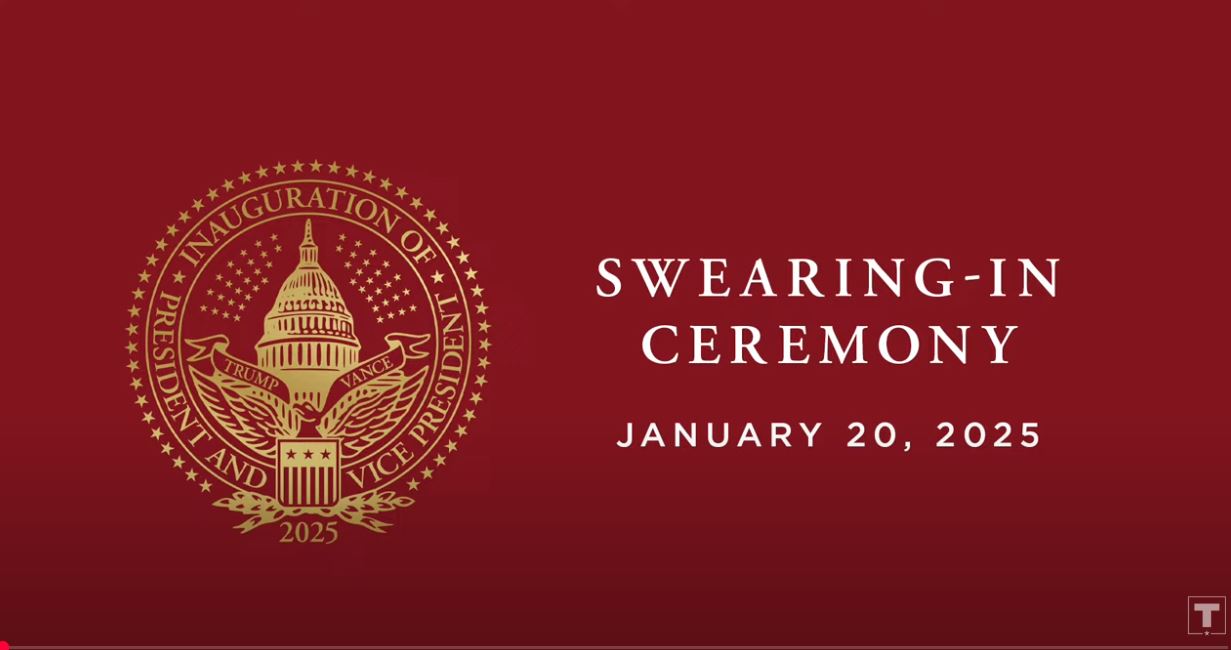
Lead-in: The United States and China agreed to extend their trade truce by an additional two months, giving negotiators more time to work toward a broader deal and holding off a fresh round of tariff escalation. The extension follows a period of high-level talks between President Trump and Chinese President Xi Jinping aimed at stabilizing the world's largest bilateral trade relationship.
Lead-in: The yield on the 10-year U.S. Treasury note climbed to 5.17%, one of its highest levels in years, reflecting investor expectations around inflation, federal borrowing, and the path of interest rates. Rising yields typically translate into higher borrowing costs for mortgages, auto loans, and business credit, adding pressure on consumers and companies alike.
Lead-in: The University of Michigan's Consumer Sentiment Index fell to 48.1, reflecting growing pessimism among American households about their financial outlook and the broader economy. The decline comes amid ongoing concerns over inflation, borrowing costs, and uncertainty tied to trade and fiscal policy.
미국과 중국이 무역 휴전을 두 달 더 연장하기로 합의하며 추가 관세 확대를 일단 보류했습니다. 이번 연장은 트럼프 대통령과 시진핑 중국 국가주석 간의 고위급 회담에 이은 것으로, 양국은 더 폭넓은 합의를 위한 협상 시간을 확보하게 되었습니다.
미국 10년물 국채 금리가 5.17%까지 상승해 최근 몇 년 사이 최고 수준 중 하나를 기록했습니다. 이는 인플레이션, 연방정부 차입, 금리 경로에 대한 투자자들의 기대를 반영한 것으로, 금리 상승은 통상 주택담보대출과 자동차 대출, 기업 신용 비용 상승으로 이어져 소비자와 기업 모두에 부담을 줍니다.
미시간대학교 소비자심리지수가 48.1로 하락하며 미국 가계의 재정 전망과 경제 전반에 대한 비관론이 커지고 있음을 보여주었습니다. 이번 하락은 인플레이션과 차입 비용, 무역 및 재정 정책을 둘러싼 불확실성이 지속되는 가운데 나온 것입니다.
Sources: Bloomberg, Reuters, University of Michigan Surveys of Consumers · 출처: 블룸버그, 로이터, 미시간대학교 소비자조사센터